India: Don't let trans people lose their vote
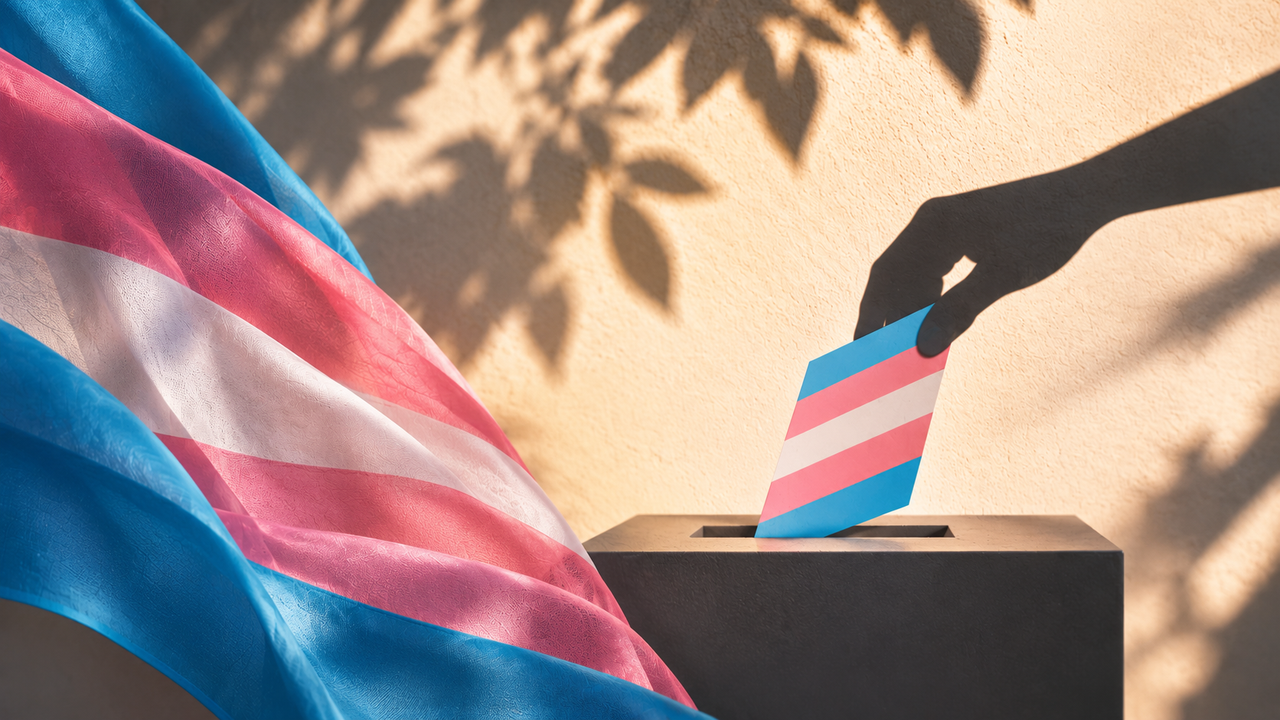
Campaign content
Four years ago, Rayyan’s family would not accept her as a woman, and she had to walk away. They moved abroad, taking several of her documents with them. This July, an election official told her that to keep her vote, she must prove a link to them.
Rayyan is not alone.
Voting is a right every adult citizen in India holds. Right now, India's Election Commission is re-checking almost every voter in the country. To stay on the list, voters must show that they or a relative were on an old voter list, or produce documents from an official list.
Many trans people were forced out of home young, or fled violence, and cannot safely go back for family records. Their papers may carry old names. The transgender certificate, an official government ID for trans people, isn’t on the Election Commission's list. Since a change in the law in May 2026, it has also become harder to get.In Tamil Nadu, the number of voters registered as “third gender,” the official category many trans people use, fell by almost a fifth during the re-check. For all voters, the drop was about 12 per cent. In West Bengal, about one in seven voters registered as "other gender" was left off the draft list.
On 6 November, the Election Commission let homeless voters in states still being re-checked prove where they live through a visit from a local election official, instead of documents. Trans voters cut off from their families are asking for the same flexibility.
Until 11 December, voters in many states, including the five due to vote in early 2027, can apply to get back on the list. Add your name to call on the Election Commission to accept trans people's documents, stop sending them back to families who rejected them, and publish the numbers that show who is being left out.
The right to vote belongs to every adult citizen. In 2014, the Supreme Court's NALSA judgment recognised transgender people's right to self-identify their gender, and many trans people joined the electoral rolls only after it. The current revision of the rolls risks undoing that progress.
The revision asks electors to link themselves to their own or a relative's entry in an earlier intensive revision roll, or to produce documents from the Commission's indicative list. Many trans people cannot do this. Often forced out of their birth families when young, they cannot safely return for records, and their documents may carry earlier names or genders. The certificate of identity issued under the Transgender Persons (Protection of Rights) Act, 2019 is not on the Commission's list.
The effects are visible. In Tamil Nadu, third-gender electors fell from 9,464 at the start of the revision to 7,617 on the final roll of February 2026, a drop of almost 20 per cent, against about 12 per cent for all electors. In West Bengal, researchers found that about 250 of 1,811 "other gender" electors were left off the December 2025 draft roll. A further 29 were removed in February 2026 and 230 placed under adjudication.
The Commission has shown that it can adapt. Its letter of 6 November 2026 lets homeless electors rely on a booth level officer's field verification as proof of residence. In Tamil Nadu, officials were directed in 2025 to run help desks for third-gender electors. We ask the Commission to build on these steps for trans voters everywhere.
We therefore ask the Election Commission of India to:
Accept the transgender certificate and identity card, and gazette notifications of a change of name or gender, as valid documents, and instruct every Electoral Registration Officer in writing.
Let trans electors estranged from their families establish eligibility without birth family records, for example by mapping to a guru or chosen guardian, or through a booth level officer's field verification backed by a sworn declaration. Guardians should not be flagged as a "logical discrepancy" because many trans electors are mapped to them.
Publish deletion and restoration figures for third-gender electors, by reason and by state, so that wrongful deletions can be found and corrected.
Set up trans-friendly help desks and a trained helpline, and hold enrolment camps with trans community organisations in every claims period.
Restore wrongly deleted trans electors quickly, through a simple process that never requires a return to the birth family, well before the state elections due in 2027.
No eligible citizen should lose the vote because their family turned them away. These steps would give practical effect to the inclusiveness the Commission has promised for this revision.
More ways to take action today!
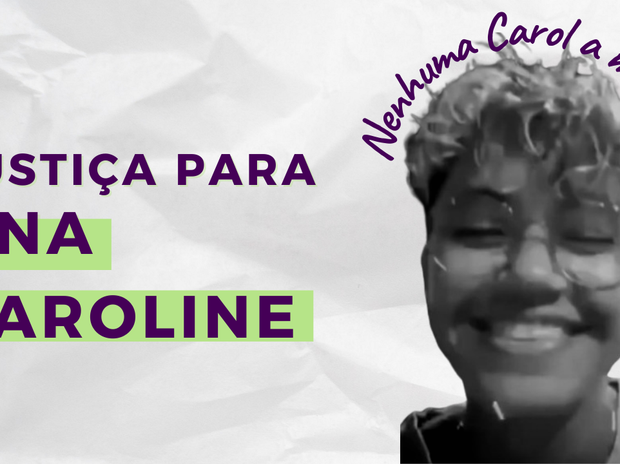
Justice for Carol: Stop lesbophobia in Brazil!
Carol Campelo, a 21-year-old lesbian, was brutally murdered in Brazil. Sign the petition to demand justice for Carol and stronger legal protections against violence targeting lesbians.
Argentina: Justice for lesbian hate crime victims
Help seek justice for victims of a horrific lesbophobic attack in Argentina. Demand legal action now!

Meta: Stop hate speech against LGBT+ people!
Meta is normalizing harmful speech against LGBT+ people on Facebook and Instagram. Sign the petition to demand Meta reverse these changes!