People in Belarus risk arrest for speaking publicly about their lives. Demand visas and safe pathways before it is too late.
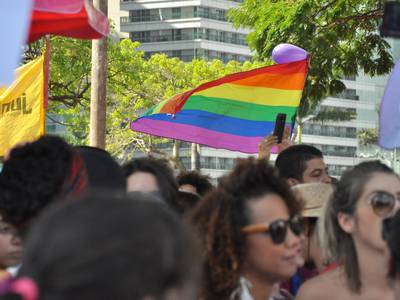
A teacher answers a question. A journalist reports on a Pride march. A friend shares a message online.
In Belarus, these actions now lead to punishment.
On April 15, 2026, Alexander Lukashenko signed a law that penalizes “disseminating information” that presents same-sex relationships or gender transition as acceptable. It applies to public speech, media, education, and everyday expression.
Penalties include fines, compulsory labor, or short-term detention. The law gives authorities broad power to restrict what people can say in public.
This affects everyone.
It restricts freedom of expression – the right to speak, share information, and take part in public life. For LGBT+ people and those who support them, the impact is immediate. Public visibility disappears. Fear grows.
Many are already trying to leave. Civil society organizations are already reporting hundreds of requests from LGBT+ individuals seeking assistance to move abroad, indicating an urgent need for protection.
In this context, access to visas and travel documents can be a lifeline.
Similar laws in Russia have led to raids, censorship, and people being forced into hiding or leaving the country.
Similar laws have since appeared in other countries – including Georgia, Hungary, Kazakhstan, and Kyrgyzstan – spreading the same pattern of censorship and fear.
Now, this approach is being replicated in Belarus.
Governments that have committed to human rights have a responsibility to act. Expanding access to visas and safe pathways is a concrete way to protect people at risk.
Acting now can help offer a way out for those already at risk.